
漆器
<Lacquer>
奈良漆器
Nara Shikki

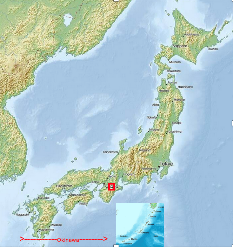
奈良は日本の漆器の発祥の地といわれています。正倉院や春日大社に今も伝わる漆工芸品には、漆塗りの部分に美しく光る貝をはめ込む、螺鈿(らでん)という技術が使われています。そんな美しい漆工芸の技術が今も奈良で伝えられています。奈良漆器の特徴である螺鈿は、夜光貝、アワビ貝、チョウ貝などを模様の形に切り、桧木地に貼り、漆で埋めて研ぎ出すという、漆芸の加飾技法の1つです。現在、伝統的な厚貝螺鈿技法を主として、硯箱、宝石箱、文箱などが作られています。
Nara is said to be the birthplace of Japanese lacquerware. Using a specialized technique called “raden,” luminous shells, abalone shells, pearl oysters, etc. are cut into patterns, pasted on a cypress wood base, filled with lacquer, and polished. Exceptional examples of raden are still preserved in Shosoin and Kasuga Taisha Shrine, with shiny shells inlaid into the lacquered areas. This beautiful lacquerware technique is still being passed down in Nara. Currently, inkstone boxes, jewelry boxes, letter boxes, etc. are made mainly using the traditional thick shell raden technique.