
陶器
<Ceramics>
二本松萬古焼
Nihonmatsu Banko Yaki

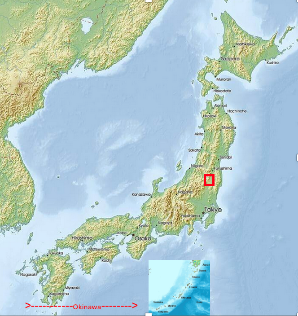
二本松藩主丹羽氏が京都から陶工を呼びよせて、下級武士へ教え産業奨励をしたのが始まりとされています。地元産の粘土を使い、独自の「手びねり型くずし製法」で製作。焼き上がりの渋い色あいには、ぬくもりがあります。指で形をつけた指紋や梅花模様が特徴で、使うほどに味わいが出ます。地元、福島県二本松市の粘土を用いて作られ、焼〆するため自然な風合いが魅力です。
Banko ware is said to have its beginnings in the mid-18th century when a wealthy merchant named Rozan Nunami built a pottery kiln at his home in Obuke (present day Asahi in Mie Prefecture) and started making teaware on which he would mark the words “banko” or “banko fueki” (meaning “eternal” or “unchanging”) in the hope that his works would last forever and be enjoyed for generations to come. His works became famous as Banko ware. In the present day, while products such as heat-resistant earthen pots and traditional teapots are produced as hallmarks of Banko ware, the brand also includes a wide-variety of products from dishes to industrial ceramic molds. Although the area didn’t have much resources for pottery, Banko workers have preserved and passed down the traditions for 300 years, by developing skills and creativity.
