
陶器
<Ceramics>
常滑焼
Tokoname Yaki
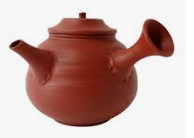

常滑焼(常滑焼)は、愛知県常滑市周辺で生産される陶磁器の一種です。この伝統工芸品は、日本六古窯の1つから来ています。備前、丹波、越前、瀬戸、信楽と並んで、常滑は今日でも残っている伝統を持つ日本屈指の優れた窯元です。常滑焼は平安時代(794-1185年)の後半に作られたもので、非常に古い磁器です。その独特の色は、焼いた後に粘土を赤くする鉄によって引き起こされます。これはシュデイ(素焼きの赤褐色の陶器)と呼ばれます。今日、小さな鉄の急須は、鉄がお茶の苦味と渋みを滑らかにすると言われていますので、特に人気があります。 他の技術は、大きなアイテムを生産するときに使用されるヨリコツクリです。
Tokoname Yaki is a form of ceramic pottery that is produced in the area around the city of Tokoname in Aichi prefecture. This traditional craft comes from one of the Six Ancient Kilns of Japan. Along with Bizen, Tamba, Echizen, Seto, and Shigaraki, Tokoname is one of the most outstanding Japanese kilns with traditions that remain even today. Tokoname ware was created in the latter part of the Heian period (794-1185), making it an incredibly ancient form of porcelain. Its unique color is caused by the iron which makes the clay turn red after baking. This is called shudei (the unglazed reddish brown pottery). Small iron teapots are especially favored today because the iron is said to smoothen the bitterness and astringency of tea. Other techniques are yoriko tsukuri which is used when producing large items.
